
Understanding Carbonation and Fizz
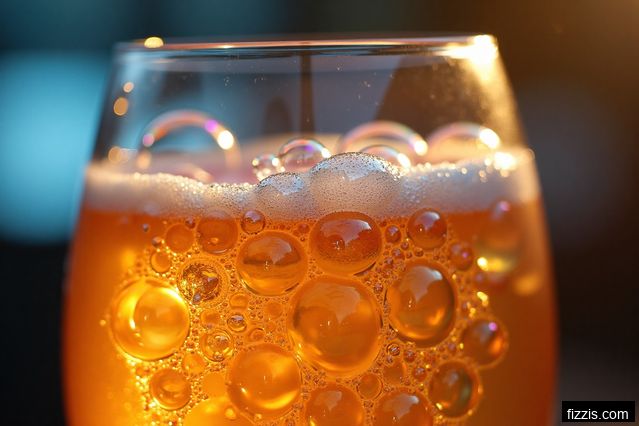
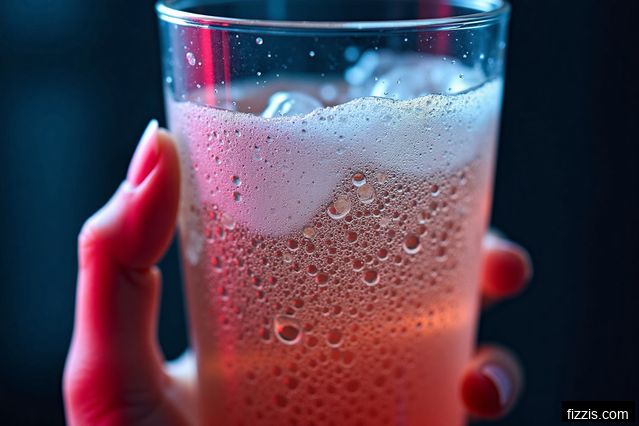
Carbonation is a process that involves dissolving carbon dioxide (CO2) gas in liquid, resulting in the formation of bubbles. These bubbles create the characteristic fizz that we associate with carbonated beverages such as soda, sparkling water, and champagne. The amount and size of the bubbles play a crucial role in determining the quality of fizz and the overall drinking experience.
Factors Affecting Bubble Formation
Several factors influence the formation of bubbles and the level of fizz in beverages. One key factor is the amount of dissolved CO2 in the liquid. Higher levels of dissolved CO2 result in more bubbles and a more pronounced fizz. The temperature of the beverage also plays a role, as colder liquids can hold more dissolved CO2 than warmer ones. Additionally, the presence of impurities or contaminants in the liquid can affect bubble formation and stability.
Controlling Fizz in the Production Process
Beverage manufacturers carefully control the carbonation process to achieve the desired level of fizz. They use specialized equipment that allows precise control over the amount of CO2 added to the liquid. By adjusting factors such as pressure and temperature, manufacturers can manipulate the size and number of bubbles, resulting in a specific level of carbonation.
The Role of Packaging
The choice of packaging also impacts the fizz in beverages. Carbonated drinks are typically stored in sealed containers, such as cans or bottles, to maintain the carbonation. The pressure inside the container helps keep the CO2 dissolved in the liquid and prevents the escape of bubbles. The design and quality of the packaging materials are crucial in ensuring that the fizz remains intact until the beverage is opened and consumed.
The Effect of Fizz on Taste and Enjoyment
The presence of fizz in beverages not only adds a sensory experience but also affects the taste and enjoyment of the drink. The release of carbon dioxide bubbles on the tongue creates a tingling sensation and enhances the perception of flavor. The effervescence can also help cleanse the palate, making each sip more refreshing. The level of fizz can vary depending on personal preference and the type of beverage, with some individuals preferring a subtle fizz while others enjoy a more intense carbonation.
Maintaining Fizz for Longer
Once a carbonated beverage is opened, the fizz gradually dissipates due to the escape of CO2 gas. However, several techniques can help maintain the fizz for a longer period. Keeping the beverage refrigerated slows down the release of CO2, as colder liquids can hold more dissolved gas. Pouring the drink gently and avoiding excessive agitation also helps preserve the carbonation. Additionally, using specialized bottle stoppers or caps that create a tight seal can help minimize the loss of fizz.
Experimenting with Fizz
For those interested in the science of fizz, there are various experiments and DIY projects that can be undertaken to explore the creation and control of carbonation. From homemade soda-making kits to carbonation calculators, enthusiasts can delve deeper into the intricacies of fizz and discover the techniques used by professionals to achieve the perfect level of carbonation.
Safety Considerations
When experimenting with carbonation at home, it is essential to prioritize safety. Working with pressurized containers and gases can be hazardous if not done correctly. It is crucial to follow guidelines and instructions provided by reputable sources and to use appropriate equipment and protective measures. Consulting experts or experienced individuals in the field can also provide valuable guidance and ensure a safe and enjoyable experimentation process.